
How to Reduce False Signals Using Close-Based Confirmation
Author
PACPL Team
Published
July 8, 2026
Category
Introduction
One of the biggest challenges for intraday traders is false signals. You see an indicator suggesting a breakout, you enter the trade, but within minutes the market moves in the opposite direction. Sound familiar?
This is where close-based confirmation comes into play. Instead of reacting to every candle or spike, close-based confirmation helps traders wait for a price to close above or below a level before treating it as a valid signal. In this blog, we’ll explain what it means, why it reduces false signals, and how PACPL custom-develops indicators and quantitative trading systems for clients around this core principle.
What Are False Signals in Trading?
A false signal happens when an indicator suggests a buy or sell opportunity, but the market fails to follow through.
For example:
A stock breaks above a resistance level but quickly falls back down.
An indicator shows a bullish pattern, but the next candle turns bearish.
False signals are common in highly volatile markets like Bank Nifty, Fin Nifty, and Options trading, and they can drain both capital and confidence if not handled properly.
What is Close-Based Confirmation?
Close-based confirmation means you only act on a signal after the candle closes above or below a specific level.
Example: If Bank Nifty shows a breakout above 45,000, you don’t enter immediately when the price spikes. You wait until the candle closes above 45,000, confirming the breakout.
This simple rule filters out noise and helps traders:
Avoid entering too early.
Confirm the strength of a breakout or reversal.
Improve accuracy of entries and exits.
Why Close-Based Confirmation Works
✅ Reduces Noise – In intraday trading, prices can spike temporarily and trigger false signals. Waiting for the close removes most of these traps.
✅ Improves Accuracy – A confirmed close above resistance or below support shows real market participation, not just a momentary move.
✅ Boosts Confidence – Traders are less likely to second-guess their decisions when signals are confirmed.
✅ Works Across Strategies – Whether it’s momentum, reversal, or swing trading, close-based confirmation adds a safety check.
How Custom Indicators Developed by PACPL for Clients Use Close-Based Confirmation
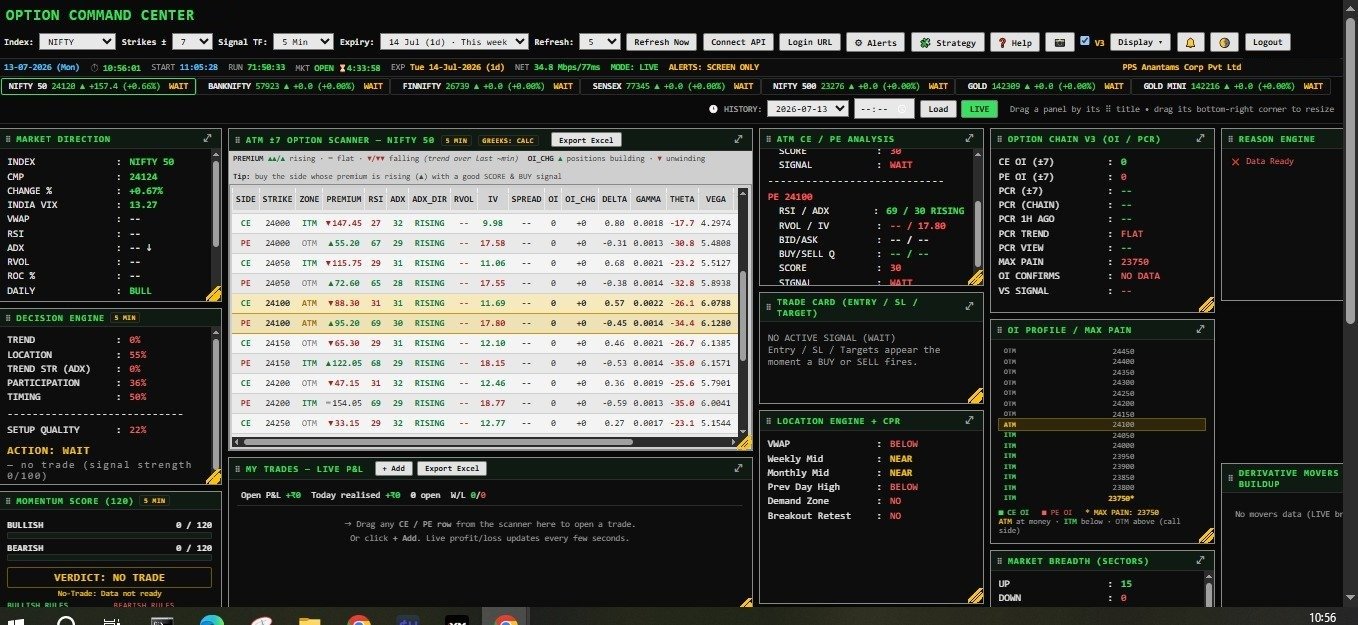
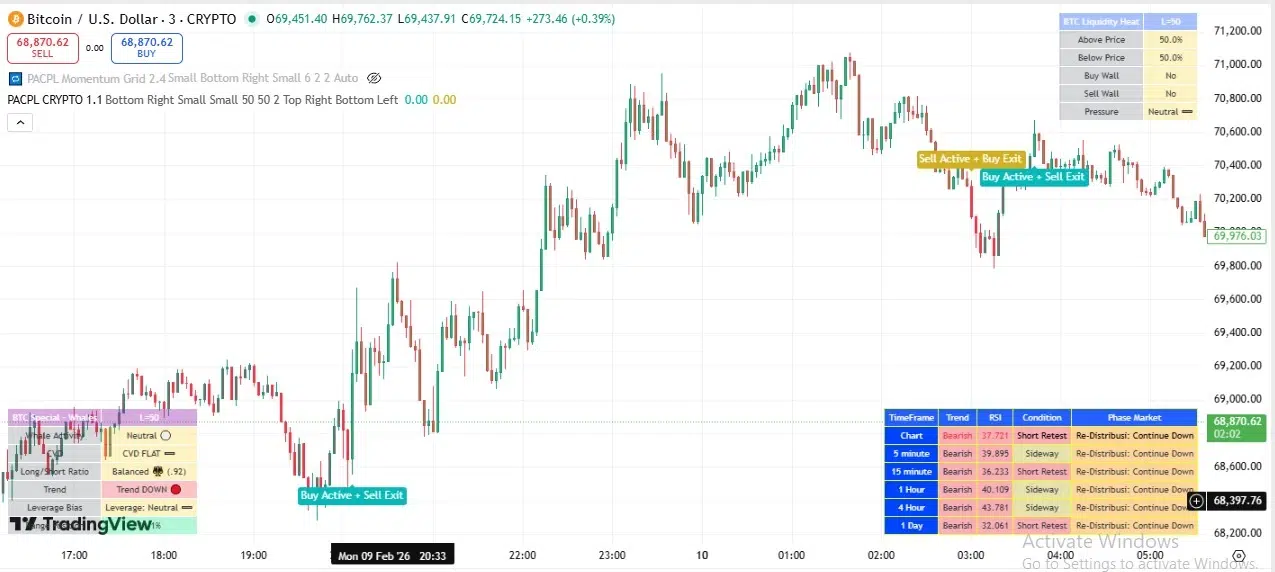
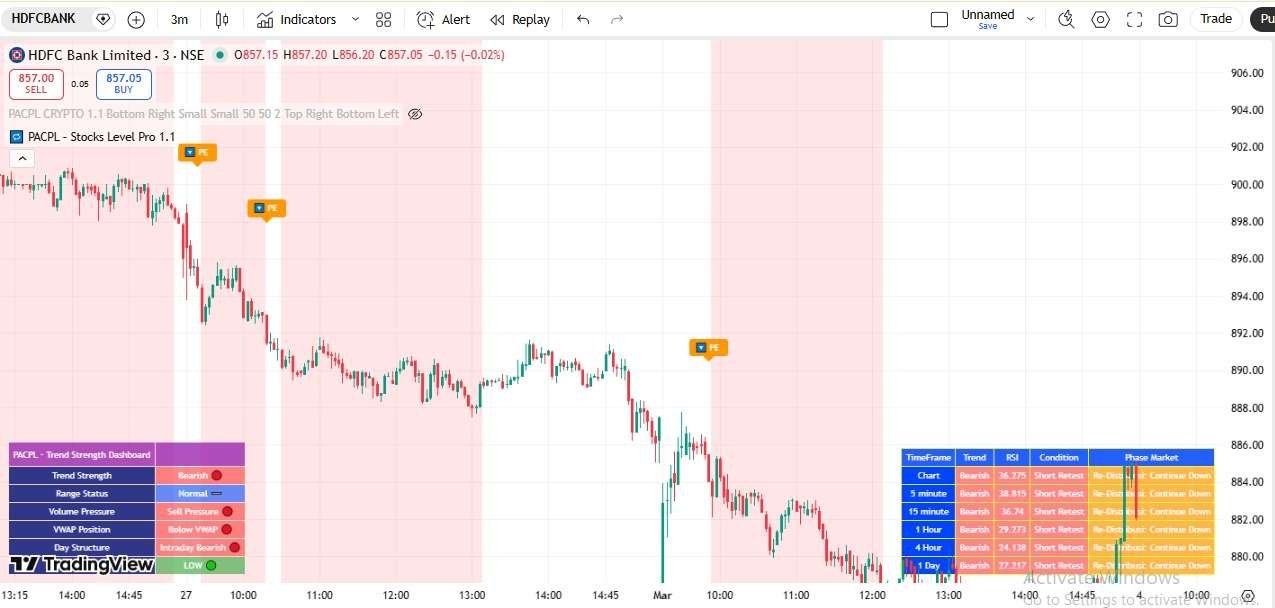
When clients commission custom trading indicators and quantitative architectures from PACPL, our engineering team builds strict close-based bar confirmation logic directly into their Pine Script and automated algorithms to systematically eliminate premature false signals and repainting.
Bespoke Multi-Factor Architectures – Developed for clients by synthesizing close-based signals across trend, mean-reversion, and momentum into a single zero-repaint TradingView indicator.
Custom Reversal Models – Engineered for client strategies with SMA20 dynamic filters + close-based breakout validation and multi-timeframe confirmation cycles to reject false reversals.
Custom Swing & Liquidity Logics – Pinpointing client-defined high-probability swing highs and lows with Fibonacci validation only upon true candle close completion.
Traders and quantitative desks running custom trading indicators developed by PACPL report a significant reduction in false breakouts and complete execution clarity across fast-moving Indian markets like Bank Nifty, Fin Nifty, and Nifty Options.
Practical Example: Intraday Trade with Close-Based Confirmation
Imagine you’re trading Fin Nifty Options:
Price approaches a resistance level.
A candle briefly spikes above it, triggering a false breakout.
Instead of jumping in, you wait for the candle to close.
If the candle closes above resistance, you enter the trade confidently.
If it falls back before closing, you avoid a losing trade.
This simple practice can protect you from many false entries.
Tips for Using Close-Based Confirmation Effectively
Be Patient – Don’t chase every candle; let the market confirm.
Combine with Filters – Use tools like EMA, VWAP, or SMA20 for added confirmation.
Backtest Your Strategy – Test how close-based rules perform on your chosen asset.
Use the Right Timeframe – For scalpers, even a 1-minute close confirmation (like in custom reversal algorithms developed by PACPL for clients) is useful.
Conclusion
False signals are part of every trader’s journey, but they don’t have to drain your account. By using close-based confirmation, you can filter out weak moves, improve accuracy, and execute with disciplined confidence.
At PACPL, we do not sell generic off-the-shelf indicators. We custom-develop proprietary Pine Script indicators, MT4/MT5 Expert Advisors, and algo execution systems built to each client’s exact rules and risk parameters—engineered with strict close-based logic so your charts never repaint.
Have a custom trading strategy you want engineered into a high-performance indicator?
100% Code Ownership • Zero Recurring Fees • Bespoke Client Development