
Combining Momentum, Reversal & Swing: A Smarter Trading Strategy
Author
PACPL Team
Published
October 9, 2026
Category

Introduction
Trading can feel overwhelming, especially for beginners. One moment, the market looks strong; the next, it suddenly reverses. Many traders rely on a single indicator to make decisions, but that often leads to false entries and missed opportunities.
That’s why combining multiple strategies—momentum, reversal, and swing—is becoming a smarter way to trade. Instead of depending on one angle, you confirm signals from different perspectives, which improves both accuracy and confidence.
In this blog, we’ll explain these three strategies in simple terms and show how combining them can give you a real edge in trading.
What is Momentum Trading?
Momentum trading is about following the strength of a trend.
If prices are rising strongly, momentum traders go long (buy).
If prices are falling fast, they go short (sell).
Example:
Imagine Bank Nifty is moving up quickly with high volume. A momentum indicator can confirm that buyers are in control, giving you confidence to ride the trend.
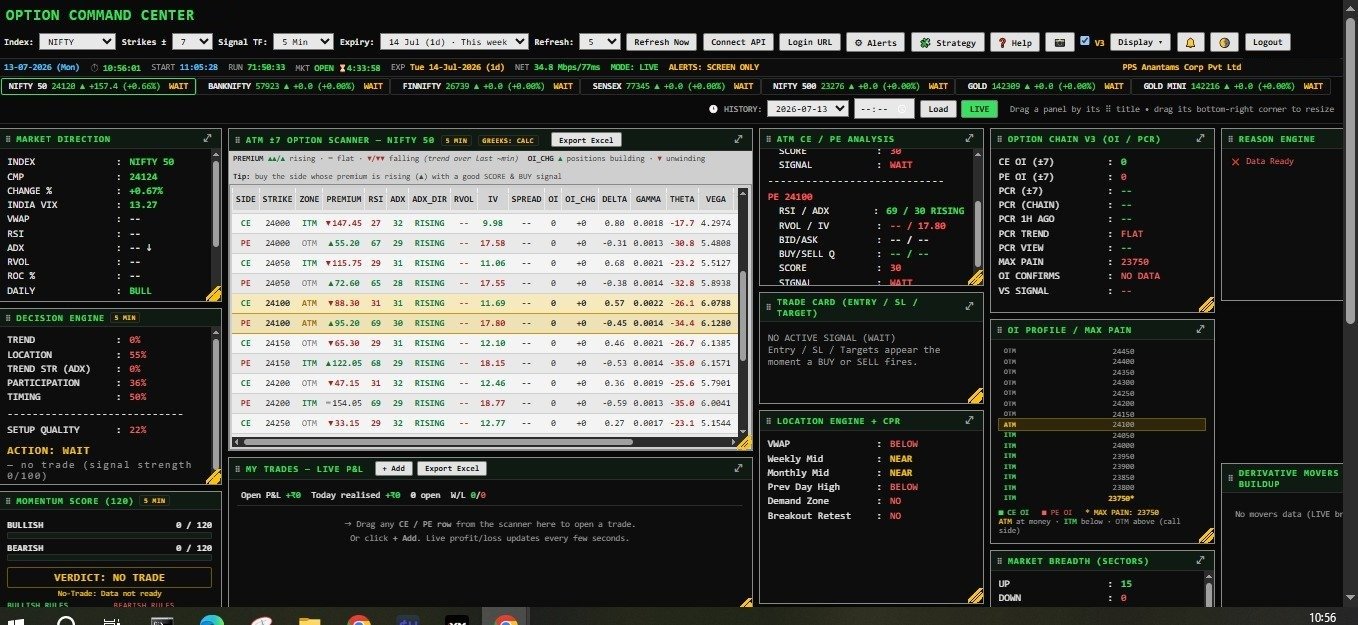
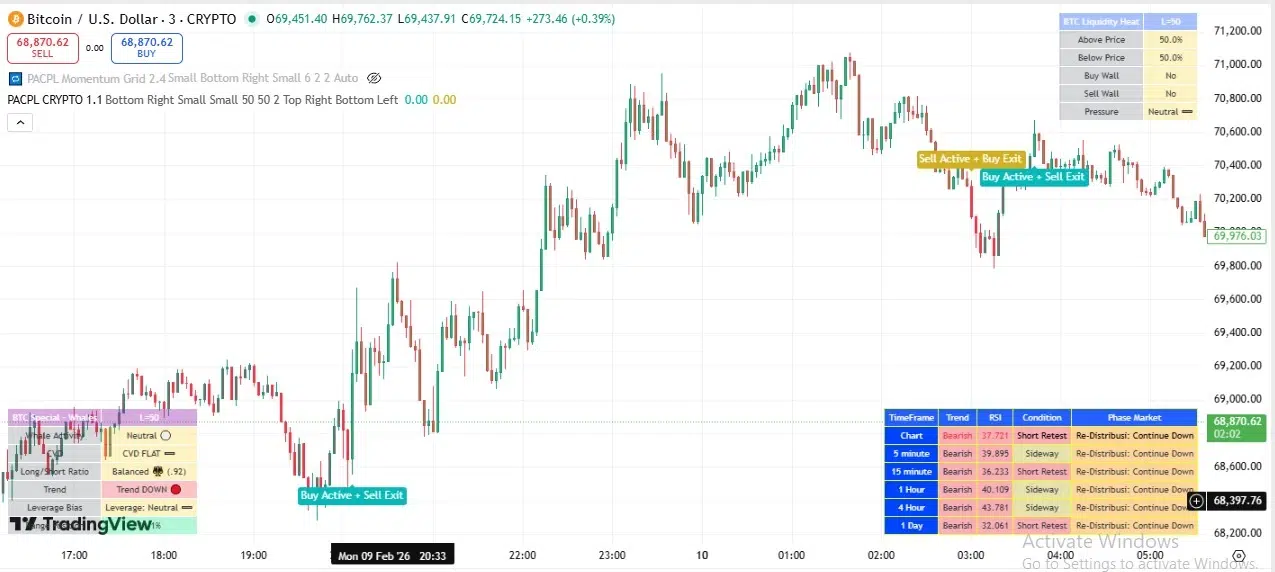
In custom indicators engineered by PACPL, Momentum Grid logic uses multi-timeframe EMA filters to verify whether the trend is truly strong, helping traders avoid false breakouts.
What is Reversal Trading?
Reversal trading is about spotting when the market is about to change direction.
If a stock has been falling and is about to rise, that’s a reversal.
If it’s been climbing and looks set to fall, that’s also a reversal.
Example:
Suppose Fin Nifty has been falling all day. Suddenly, candlestick patterns and support levels suggest a bounce. A reversal indicator confirms this, helping you catch the turn before most traders react.
In custom algorithmic systems engineered by PACPL, Reversal Matrix models use price-action patterns and close-based confirmation with a 1-minute validation, strictly eliminating premature false reversal signals.
What is Swing Trading?
Swing trading focuses on highs and lows within a price move.
Traders buy near swing lows (support).
They sell near swing highs (resistance).
Example:
Nifty shows a dip (swing low) in an overall uptrend. Swing traders enter there and exit near the next swing high, capturing profit within a short window.
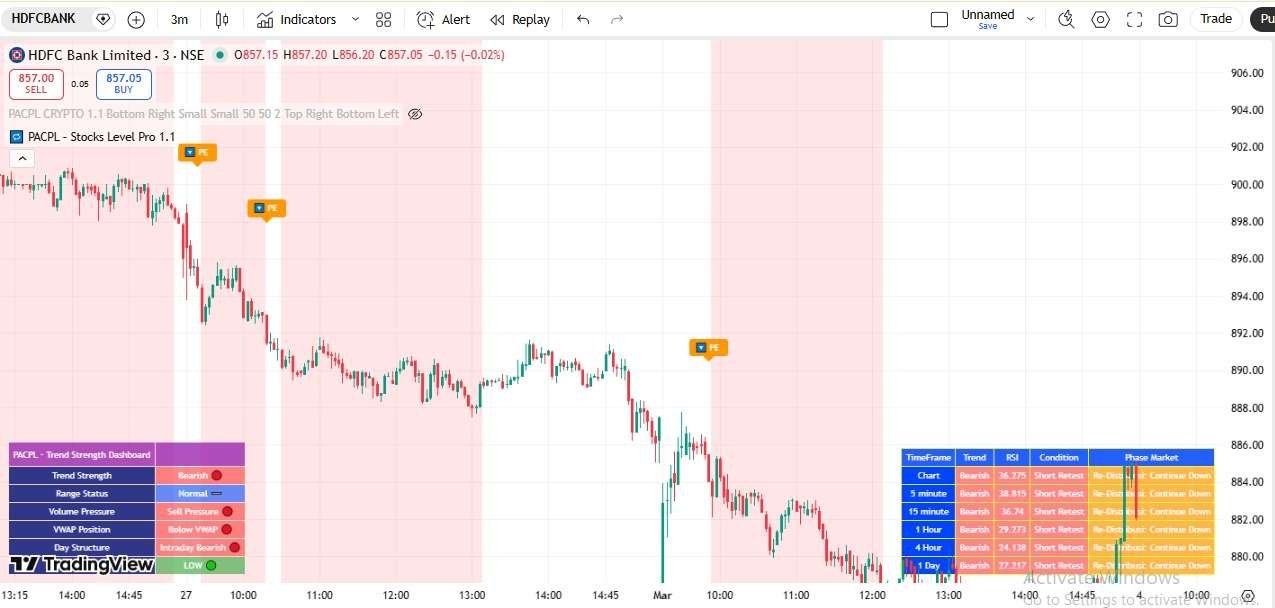
PACPL’s custom Swing Matrix algorithms plot real-time swing highs and lows cleanly, making them ideal for both intraday scalping and positional execution.
Why Combining All Three is Smarter
Using just one strategy has limitations:
Momentum alone might get you trapped in a false breakout.
Reversal alone might give too many early signals.
Swing alone might not confirm the larger trend.
But when you combine them:
Momentum tells you if the trend is strong.
Reversal alerts you if the trend is losing steam.
Swing helps you time your entry and exit.
Together, they provide a complete market picture—trend direction, turning points, and profit zones.
PACPL Multi-Factor Architecture: Bringing It All Together
Instead of juggling fragmented retail tools, PACPL engineers custom Multi-Factor Trading Systems that combine Momentum, Reversal, and Swing logics into a single unified TradingView / Python cockpit.
Key Benefits:
Three confluence dimensions in one unified system – no need to switch between charts.
Close-based confirmation – ensures higher accuracy.
Smart reactivation logic – filters out false signals.
Works perfectly for Bank Nifty, Fin Nifty, Nifty, and Sensex Options/Futures.
Designed for scalping and intraday strategies.
This makes it easier for traders—especially beginners—to get clarity without feeling overwhelmed by multiple signals.
Example: How It Works in Practice
Imagine you’re trading Bank Nifty intraday:
Momentum check – The indicator shows the trend is bullish.
Reversal alert – A reversal warning doesn’t trigger, so you know the uptrend is still safe.
Swing levels – The tool highlights the next swing high, giving you a clear exit point.
By using all three together, you avoid entering too early, reduce false signals, and maximize profits with better timing.
Tips for Traders Using This Strategy
Always confirm with a candle close to avoid false entries.
Backtest the setup on your chosen index or stock.
Use shorter timeframes (1–5 minutes) for scalping and longer ones for swing setups.
Don’t rely on one signal—wait for combined confirmation.
Conclusion
Trading is all about making informed, confident decisions. Instead of relying on a single indicator, combining momentum, reversal, and swing strategies gives traders a well-rounded view of the market.
PACPL specializes in engineering custom multi-factor trading systems and Pine Script v5 indicators that integrate all three logics into one clean, zero-repaint cockpit. Whether you’re scalping Bank Nifty or managing positional trades, custom algo engineering gives you complete control and 100% open-source code ownership.
Custom Architecture. Three Confluence Dimensions. Zero Repaint.